New Zealand withdraws support for Infantino amid continental divide

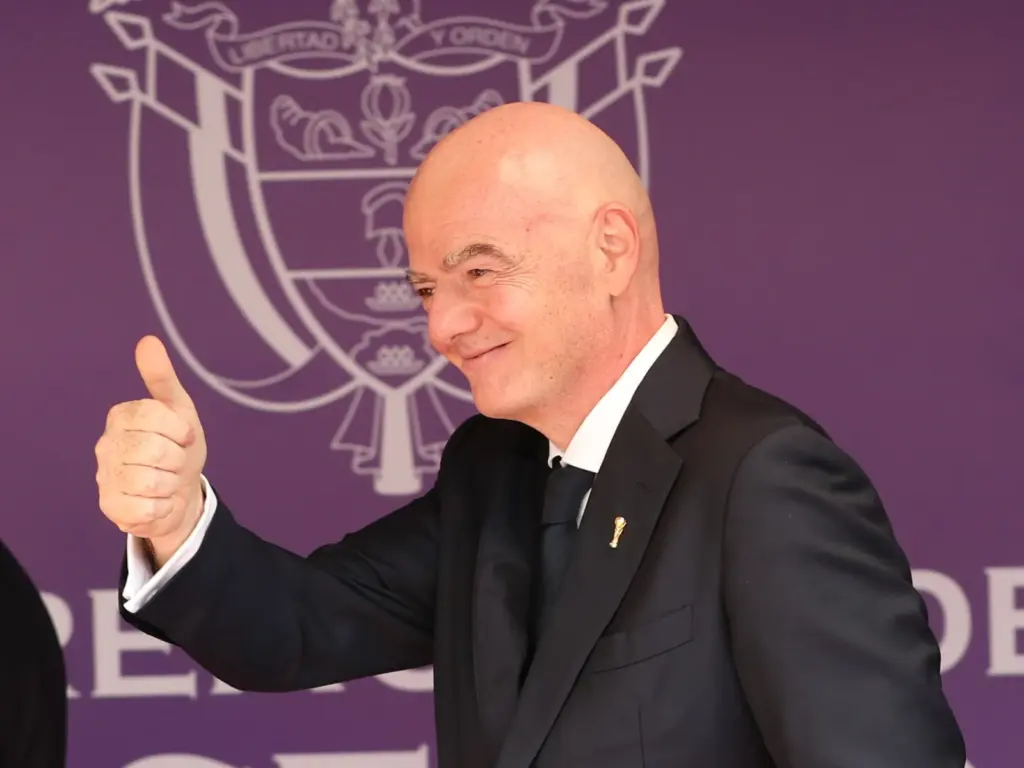
Global Football Divided Over Leadership
The football world is currently experiencing a significant division, with continental confederations taking differing stances on the leadership of Fifa President Gianni Infantino. This comes after a proposed plan to sell off a portion of the World Cup‘s commercial rights, which has led to widespread debate and a call for an independent review from several member associations.
While the Oceania Football Confederation (OFC) initially issued a statement praising Fifa’s progress over the past decade, individual member associations are not uniformly following suit. Notably, New Zealand Football (NZF) has contradicted the OFC’s position, withdrawing its support for Infantino and advocating for an independent review of the sell-off plan. NZF, a significant federation within the OFC, had previously co-hosted the 2023 Women’s World Cup with Australia, benefiting from Infantino’s patronage.
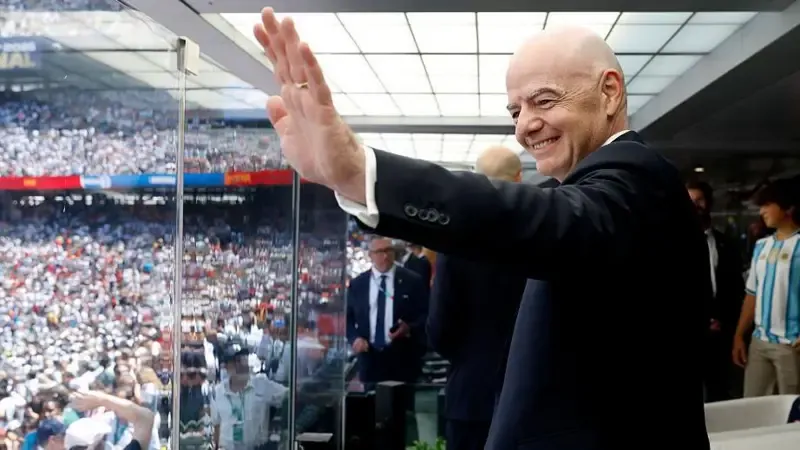
This move by New Zealand highlights a growing trend where even former allies are reconsidering their support for the Fifa president. Other nations, including England, Wales, Norway, the Republic of Ireland, and Northern Ireland, have also confirmed they will not back Infantino’s re-election bid. NZF Chief Executive Andrew Pragnell emphasised the need for an independent review to restore trust and confidence in the administration of global football, stating that an in-house assessment would not suffice.
Confederations Take Sides
The six continental confederations appear to be split on the issue of Infantino’s continued presidency. The Confederation of African Football (Caf) and the South American confederation (Conmebol) have publicly declared their desire for Infantino to remain in office for a third full term. These confederations have been bullish in their support, with Caf’s executive committee unanimously confirming its backing for Infantino.
Conversely, Uefa, the European football governing body, has been the most vocal in its opposition. Uefa has even threatened to boycott Fifa tournaments if Infantino does not withdraw his candidacy, with a significant majority of its 55 members united in this stance. The Asian Football Confederation (AFC) and Concacaf (North and Central America and the Caribbean) have also withdrawn their support for Infantino due to his plans to sell 20% of the World Cup’s commercial rights to private investors.
Despite the opposition from these three confederations, which represent 136 of the 211 member associations eligible to vote in the Fifa presidential election, Infantino still retains considerable support. Individual Fifa member associations, some of whom belong to confederations that oppose him, have also publicly declared their support. These include Mexico in Concacaf, and Qatar and the United Arab Emirates in the AFC. The 2034 World Cup hosts, Saudi Arabia, have yet to declare their position, as the Saudi Football Federation is currently undergoing presidential elections, and their stance could be influential within Asia.
Upcoming Challenges and Elections
The current situation has been described as a stalemate in what some are calling football’s civil war. This division is unlikely to be fully resolved until the presidential election at the Fifa Congress in Rabat next March. With strong allies in Africa and South America, as well as public support from US President Donald Trump, Infantino is not expected to resign or withdraw his candidacy, setting the stage for a contentious seven-month campaign.
An immediate point of tension is the upcoming Under-20 Women’s World Cup in Poland next month, which European countries have threatened to boycott. However, it remains unclear whether any teams will actually withdraw. It is anticipated that Uefa and Fifa may reach a public truce in the coming weeks to allow the competition to proceed.
The next critical deadline is 18 November, by which time candidates for the Fifa presidency must declare their intentions. This leaves the Uefa-led alliance with just over three months to find and consolidate support behind an alternative candidate. Victor Montagliani, the Concacaf president, is considered a potential challenger, but he is expected to only stand if he is confident of securing a victory. With an electorate of 211 Fifa members, those opposing Infantino are still working to secure the 106 votes required to oust him.
Source: theguardian.com

